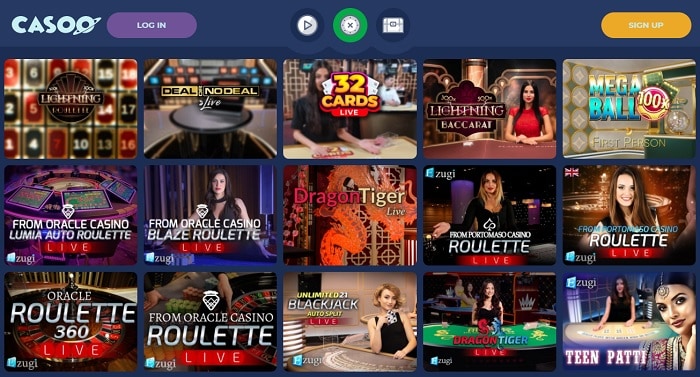
Managing a casino bankroll isn’t about memorizing formulas. It is mainly about solid decisions you make before you ever place a bet. I’ve watched players on a tight budget play for hours just because they arranged three things in advance: how much they could lose, how big their bets would be, and when they’d walk away. In this guide, I’ll discuss the practical steps I use to keep casino play managed and sustainable. At casino casoo app nedladdning, the wide game variety and flexible deposit tools let me set limits that match my own finances without extra hassle. The goal isn’t to strip out the fun. It is to stop the fun from tipping into stress. A steady bankroll holds your rent money safe and prevents snap decisions. It also shifts the focus to how you played, not just one major win or loss. Here is how I handle budgeting, session splits, bet sizing, game picks, and keeping track.
Structuring Your Play Sessions
Session Finances and Session Portions
I never dump my whole bankroll into one endless stretch. Instead, I divide it into session chunks. If my monthly gaming budget stands at $400, I might split that into four $100 weekly portions or even lower amounts for a solitary evening. That framework doesn’t instantly stretch my cash, but it puts a barrier between me and a rapid wipe‑out. Time blocks count just as much. I choose a general session length before I begin and I take a breather after extended stretches. Fatigue warps how I evaluate risk—tired me is way more apt to raise a bet or go after a bad beat. When I am at Casoo Casino, I lean on that session system so my decisions keep consistent across slot machines, live tables, and instant games. The session bankroll is the sole cash I permit myself for that block; once it is gone, the session is over. That habit conditions me to accept results as they surface, instead of believing one more top-up will change the script.
The Significance of Game or Table Limits
I also hold a keen eye on minimum and maximum bets because they determine how extended a session can realistically last. If a table minimum eats up a big chunk of my session bankroll, a brief cold streak can remove me out before I’ve had a decent shake. I seek games where my session cash covers at least thirty to fifty minimum bets—the specific number relates to volatility. That buffer lets me survive through regular swings without staring at a zero balance right away. Casoo Casino’s library has plenty of stakes to choose from, so I can usually find a slot or slot that matches my budget. Turning down the game limit is typically a smarter move than increasing my deposit. Smaller bets will not manufacture wins, but they lessen the pressure and maintain my head cooler.
Establishing a Realistic Budget
Isolating Casino Funds from Essential Money
My initial step is to wall off casino money from the cash I need for daily life. I check my monthly entertainment spending, pay all fixed bills and savings, then allocate a slice that can go to the casino without flinching. I employ a separate e‑wallet or a second payment card for deposits—that physical split makes the budget impossible to overlook. When I gamble at Casoo Casino, I set a fixed amount and leave my payment methods alone once I hit that limit. The point isn’t to add hassle for its own sake; it’s to prevent the emotional top‑ups that happen after a bad run. If my planned bankroll disappears, the session stops, no matter what my instinct says. That rule works because I established it when I was composed, not when I was chasing. Holding the money separate also safeguards my relationships and responsibilities—those should never lie on the table.
Setting a Loss Limit
I also nail down a hard loss limit for each deposit window and a stop‑loss point for every session. Before I even start a game, I select a number—say, 50% of the bankroll I had—and promise myself I’ll cease if I reach it. That limit is set in stone because I set it when my head was clear. A stop‑loss will not ward off every losing night, but it stops one bad session from snowballing into a expressen.se much bigger loss. I sometimes determine a win target or a time cap, too, but I view those as loose clues, not rigid guidelines. The loss limit is the one that is important most. Pursuing losses is usually the first break in a bankroll plan. I record the numbers down, or I configure deposit limits inside Casoo Casino, which keeps me honest. When I run against that threshold, I close the game and move away from the screen until the urge fades.
Measuring Performance and Fine-Tuning
Noting Results With No Judgment
Jotting a quick note of my deposits, withdrawals, session length, and results gives me patterns that gut feelings would skip right over. I don’t log every spin or hand—just the game, starting balance, ending balance, and a word or two about how I felt. That log isn’t there to label wins as “good” and losses as “bad.” It’s a neutral mirror that tells me whether my bankroll plan is actually holding up. If I notice a certain game or bet size keeps tripping my stop‑loss early, I can tweak things before the next session. I’ll review the records every few weeks and decide if the plan needs a small refresh. Casoo Casino’s transaction history gives me a second source to cross‑check. Writing it all down reinforces that casino play is something I schedule and steer, not a haze of random clicks. Over time, that log turns into an honest map of my own habits.
Picking Your Bet Size
Fixed Staking and Proportional Betting
When I pick a bet size, I anchor it to a minute slice of my session bankroll, not to whatever occurred on the last spin. Level betting—staking the same amount round after round—lets me track results straightforwardly and sidestep wild swings. Proportional betting adjusts my wager to a set fraction of the remaining bankroll, usually 1% or 2%. Both can work. I lean toward flat bets when I want straightforwardness, and percentage bets when I’m in a longer session and want some flexibility. The point is that the number derives from a method, not from frustration or a gut feeling that I’m “due.” I never jack up a bet because I’m certain a win is around the corner. Casino sessions—slots, roulette, most hands—don’t owe you a payout. Keeping bets small relative to the bankroll is one of the most dependable risk controls I know.
Steering Clear of the Urge to Recover Losses
The riskiest window for my bankroll is the moment right after a losing streak. That’s when I’m most tempted to tell myself a bigger bet will claw back the red ink fast. I’ve realized to spot that urge and treat it as a red flag to pause, not to raise my stake. Recovering losses isn’t a plan—it’s an emotional jolt that usually widens the hole. When I feel it coming on, I step away from the table for five minutes, or I close the session if I’m near my loss limit. Inside Casoo Casino, I can set deposit and loss caps that act like an external handbrake when my own judgment starts weakening. The bet size I selected at the start should remain steady, no matter if the last few rounds were pleasant or sour. That discipline is challenging, but it’s the one thing that separates calm play from impulsive betting.
Frequently Asked Questions
What is a casino bankroll?
A casino bankroll is cash I set aside in a separate pile just for gambling—money that never impacts my rent, bills, or savings. I see it as an entertainment ticket: if I lose it all, life still goes on. That mental label removes the pressure from each bet. Without that defined line, it’s too easy to dip into real‑life funds, which makes any loss sting harder and makes chasing way more likely.
What sum should I set aside for casino play?
I only set aside what’s left after taking care of my must‑pay bills, savings goals, and other priorities. There’s no one‑size‑fits‑all number—it hinges on your income, your commitments, and how much risk you can tolerate. A good beginning is a minor slice of your monthly entertainment pot. I use the deposit limits at Casoo Casino to establish that amount. The correct number is one that doesn’t keep you up at night even if you lose every cent.
Is it recommended to increase my bet after a loss?
No. Raising your bet after a loss is just chasing, and it usually compounds the problem. In most games, each round stands on its own—a loss doesn’t mean a win is “due.” I stick to a percentage of my session bankroll that I decided on before I started. If I feel my fingers eager to raise the stakes after a cold run, I step away or shut the session down. That preserves the bankroll from impulsive calls.
What is a good bet size for a beginner?
I’d advise a newcomer to maintain each bet to 1% or 2% of their session bankroll. So if you’ve got 100 units, a 1‑unit bet gives you plenty of spins and eases the tension. Flat betting is the simplest to maintain because the stake doesn’t move. You’ll also want to review the game’s minimum bet and confirm it matches. Small bets can’t promise a win, but they give you more space to improve and settle in.
Should game choice affect bankroll management?
Absolutely. The game you pick influences volatility, house edge, and how long your stack holds up. Low‑volatility slots offer smaller but more frequent payouts, while high‑volatility ones can keep you waiting through long quiet stretches. Table games pay off you for knowing the rules and usually feature a lower house edge than many side bets. I choose games that fit my planned session length and how much swing I can handle. Looking at the RTP and minimum bet before you play leads to smarter decisions.
How can I stop chasing losses?
I set a hard cap on my session loss before I even log in. Once I reach that number, I walk away, no matter how “close” I think I am to a comeback. I also lean on the deposit limits inside Casoo Casino as an external boundary. After a rough streak, stepping away for a few minutes allows the fog clear. Chasing runs on emotion, so disabling the quick‑reload option usually beats trying to muscle through with willpower.
Choosing Games and Theoretical Hold
Variance and Win Frequency
Every game comes with its own risk level, and that shapes how my bankroll behaves minute to minute. Low‑volatility slots and some table bets tend to deliver smaller wins more often, while high‑risk games can stay dormant for long stretches before dropping a bigger prize. I tailor that volatility to how long I intend to play and how much variance I can stomach. With a limited session bankroll, I usually steer clear of volatile titles because the quiet periods can deplete my stack before any significant win lands. If my bankroll is bigger and I’m prepared for sharp swings, I might earmark a small piece for a high‑volatility ride. The key thing: volatility is a decision you make, not an invisible quirk. Getting that right helps me keep my expectations real, so I don’t start thinking a game is faulty just because it’s been silent for a while.
Understanding Rules and Payback Percentage
I also examine the rules and the theoretical payback rate, the RTP, for any game I’m about to play. RTP is a theoretical average; it can’t predict a single session, but it gives me a general idea of which games return a bigger share of turnover. Table games like blackjack and roulette favor players who understand the game and pick the right versions. For slots, I check out the game info at Casoo Casino to find the RTP and any special features. None of that guarantees a profit, but it helps me avoid games with a steep house edge or confusing rules. Good bankroll management means selecting games that match both what I understand and how much risk I can handle. A smaller budget goes further when the rules are clear and the numbers aren’t skewed too much against me.
Mastering Bankroll Basics
Prior to touching a single limit, I define my bankroll as cash I’ll use exclusively for casino entertainment—money I can lose without impacting my rent, groceries, or savings. This line is vital. If gambling cash mingles with bill money, the boundaries blur and I start acting instead of thinking. I treat that bankroll like a concert ticket or a short getaway: an entertainment cost. I don’t plan to lose it all every time, but I acknowledge that losing is a real outcome. It’s not a debt, not borrowed, not next week’s car bill. That mindset removes the stress from each bet. When I login at Casoo Casino with a pre‑set sum, I concentrate on the game and the moment—not on recovering money that was never supposed to be at risk. A sharp definition of my bankroll is the foundation for everything that follows: bet size, session length, all of it.